
 By
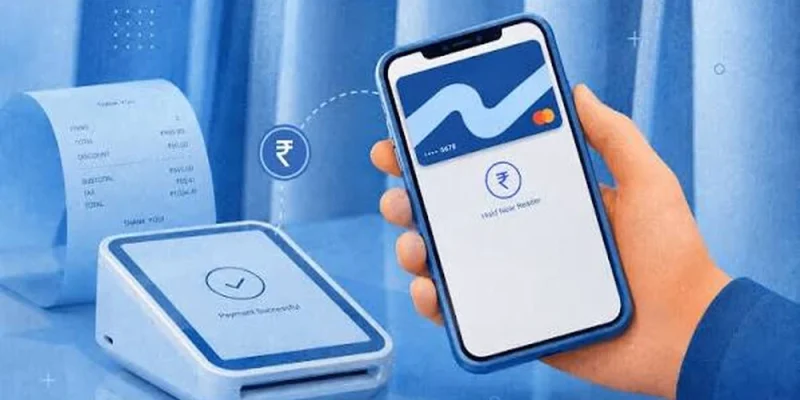
Business payments have a reputation for being slow and paper-heavy: invoices emailed back and forth, bank transfers sent with the wrong reference and finance teams chasing payments that may or may not have arrived. A b2b payment gateway changes that by handling business-to-business transactions digitally, from collecting payments against invoices to sending payouts and reconciling everything automatically. For companies trading across borders in Asia, it can also replace a patchwork of separate banking arrangements.
How B2B Payments Differ From Consumer Payments
Business payments tend to be larger, less frequent and tied to invoices or contracts rather than instant purchases. They often involve approval processes on the buyer’s side, longer payment terms and multiple people handling the same transaction. Consumer checkout methods such as wallets and QR codes can have limits too low for business amounts. A B2B setup needs high-value rails, clear references and reporting that finance teams can work with.
Common Pain Points
Without a dedicated solution, businesses run into the same problems repeatedly:
- Payments arriving without references, making them hard to match
- Manual reconciliation of bank statements against invoices
- Delays when cross-border transfers pass through several banks
- High fees and unclear exchange rates on international payments
- Limited visibility of when funds will arrive
Collecting Payments Against Invoices
A gateway can generate payment instructions for each invoice, such as a virtual account number or unique reference, so every incoming payment is automatically linked to the right invoice. Customers pay using familiar methods such as local bank transfer, and the gateway confirms receipt in real time. This shortens the time between payment and recognition, and reduces disputes about whether an invoice has been paid.
Sending Payouts to Partners and Suppliers
Many businesses need to pay out as well as collect, whether to suppliers, agents, marketplace sellers or partners. A b2b payment gateway with payout capability can send funds to bank accounts or wallets in multiple countries through one integration. Bulk payouts allow hundreds of payments to be sent in one batch, with account validation before sending and clear status reporting afterwards. That saves considerable time compared with entering transfers one by one.
Cross-Border Transactions in Asia
Trading across Asian markets usually means dealing with different banking systems, currencies and regulations in each country. Traditional international transfers can be slow and expensive. Gateways with local collection and payout capability in several markets let businesses receive and send funds through domestic rails, which are usually faster and cheaper. Funds can then be settled in a single currency, simplifying treasury management.
Automation and Integration
The biggest benefit of a B2B gateway is often automation. Through an API, the gateway can connect to accounting, invoicing or enterprise resource planning systems. Payments can be created automatically when invoices are issued, confirmed by signed notifications when funds arrive and posted to the ledger without manual entry. This reduces errors and frees finance teams to focus on analysis rather than data entry. It also shortens month-end closing, since most entries are already posted and matched.
Visibility and Reporting
Finance teams need to know what has been paid, what is outstanding and when funds will arrive. Dashboards and reports showing real-time payment status, settlement schedules and fees across markets make cash flow easier to manage. Exportable records support audits and month-end closing. Good reporting also highlights issues early, such as repeated failures with a particular bank.
Security and Controls
Business payments are a target for fraud, particularly invoice fraud where criminals impersonate suppliers and ask for payment to a new account. Controls such as verifying any change of bank details, requiring approvals for large payouts and validating account names before sending help reduce the risk. Payment providers should use encrypted connections, signed notifications and proper checks on the businesses they serve.
Compliance and Due Diligence
Providers handling business payments must follow anti-money laundering rules and know their customers. Expect onboarding checks on your company, its ownership and the nature of its business. Cross-border payments may also involve foreign exchange regulations and reporting requirements in some countries. Taking advice on these obligations before expanding into new markets avoids delays and penalties later.
Questions to Ask Providers
When comparing options, focus on the features your finance team will use every day:
- Which collection and payout methods are available in each market?
- What limits apply to individual transactions?
- How does the gateway connect to your accounting systems?
- How quickly are funds settled, and in which currencies?
Where B2B Gateways Help Most
Some business models gain more from a dedicated gateway than others. The clearest cases are companies that:
- Collect payments from many business customers across several countries
- Pay large numbers of suppliers, agents or sellers each month
- Spend significant staff time on manual reconciliation
- Face high fees or slow transfers on international payments
Making the Switch
Start by mapping how money currently flows in and out of the business, where delays happen and how much time reconciliation takes. Then compare providers on coverage, automation, reporting and security. Pilot with a single market or customer group before rolling out widely. Practical payment guides for operators in Asia covering local methods market by market are a useful starting point when planning cross-border collections and payouts.







Comments