
 By
By 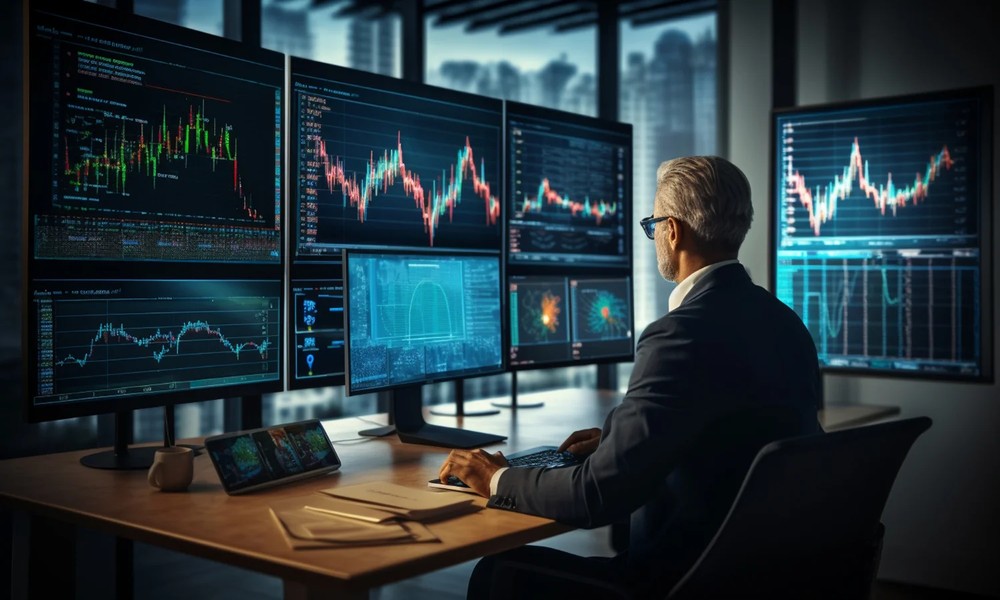
The United Arab Emirates has emerged as one of the most dynamic financial hubs in the world, attracting traders and investors from across continents. Its strategic location, modern infrastructure, and progressive regulatory environment have created a marketplace where global opportunities are accessible from a single platform. For individuals seeking to grow their capital or diversify income streams, the UAE offers a compelling blend of accessibility and sophistication.
At the same time, the trading landscape has evolved far beyond traditional stock exchanges. Today’s participants can engage with currencies, commodities, indices, and digital assets, all within a unified ecosystem. Understanding how these markets operate and where opportunities lie is essential for anyone aiming to make informed decisions in this fast-moving environment.
The Rise of Forex Trading in the UAE
Foreign exchange trading has become one of the most popular entry points for traders in the UAE. The global nature of forex aligns well with the country’s international outlook, allowing traders to engage with major currency pairs at almost any hour of the day. This flexibility is particularly attractive to individuals balancing professional commitments with trading ambitions.
Regulatory frameworks in the UAE, guided by respected financial authorities, have contributed to a more transparent and secure trading environment. Industry experts often emphasise the importance of trading within regulated ecosystems, as this helps protect participants and ensures adherence to global standards. As a result, traders in the UAE benefit from a level of oversight that builds confidence without limiting opportunity.
Equally important is the availability of advanced trading platforms and educational resources. Many brokers provide tools such as real-time analytics, risk management features, and demo accounts. These resources help both beginners and experienced traders refine their strategies while maintaining a disciplined approach to market participation.
Expanding Access to Global Stock Markets
While forex remains dominant, interest in global equities has grown steadily among UAE-based investors. Access to major international exchanges allows traders to participate in the performance of leading companies across sectors such as technology, healthcare, and energy. This global reach makes it easier to build diversified portfolios that are not tied to a single economy.
Market accessibility has improved significantly with the introduction of contracts for difference, which enable traders to speculate on price movements without owning the underlying asset. This approach lowers the barrier to entry while offering flexibility in both rising and falling markets. However, it also requires a clear understanding of leverage and associated risks, as emphasised by financial educators and institutions worldwide.
Many traders choose to trade or invest with ADSS as part of their broader strategy. The key consideration is not the platform itself, but how well it aligns with an individual’s goals, risk tolerance, and level of experience. Selecting the right tools can make a meaningful difference in execution and long-term consistency.
Beyond Forex and Stocks: Diversifying with Other Assets
The UAE trading environment extends well beyond currencies and equities. Commodities such as gold and oil hold particular relevance due to the region’s economic structure and global demand patterns. These assets often serve as hedges against inflation or market volatility, making them valuable components of a balanced portfolio.
Indices also play a crucial role for traders seeking exposure to broader market performance. By trading indices, individuals can gain insight into the overall health of specific economies without focusing on individual companies. This approach simplifies decision-making while still capturing macroeconomic trends.
Digital assets and emerging financial instruments have started to gain traction. While these markets are still developing, they reflect a broader shift toward innovation in global finance. Experts consistently advise approaching such opportunities with caution, emphasising the importance of research, risk management, and a long-term perspective.
The Importance of Strategy and Risk Management
Regardless of the asset class, successful trading in the UAE depends on a well-defined strategy. This includes setting clear objectives, understanding market behaviour, and maintaining consistency in execution. Without a structured approach, even the most promising opportunities can lead to unfavourable outcomes.
Risk management is equally critical. Financial professionals often highlight the importance of protecting capital before pursuing returns. Techniques such as setting stop-loss levels, managing position sizes, and avoiding over-leverage are widely recognised as essential practices. These principles are not unique to the UAE but are particularly relevant in fast-paced, high-liquidity markets.
Education remains a cornerstone of sustainable trading. Continuous learning through webinars, market analysis, and expert commentary helps traders stay informed about evolving trends. In a region known for rapid development and innovation, staying updated is not optional but necessary for long-term success.
Conclusion
The UAE offers a diverse and well-structured trading environment that caters to a wide range of financial goals. From the liquidity of forex markets to the global reach of equities and the stability of commodities, opportunities are abundant for those willing to approach them with discipline and insight. The country’s regulatory strength and technological advancement further enhance its appeal as a trading destination.
Success in this space is not defined by the number of markets one participates in, but by the quality of decisions made within them. By focusing on education, strategy, and responsible risk management, traders can navigate the UAE’s financial landscape with confidence and clarity, positioning themselves for sustainable growth over time.









Comments